Toilet Training Without Stress: Gentle Readiness Cues and Avoiding Pressure
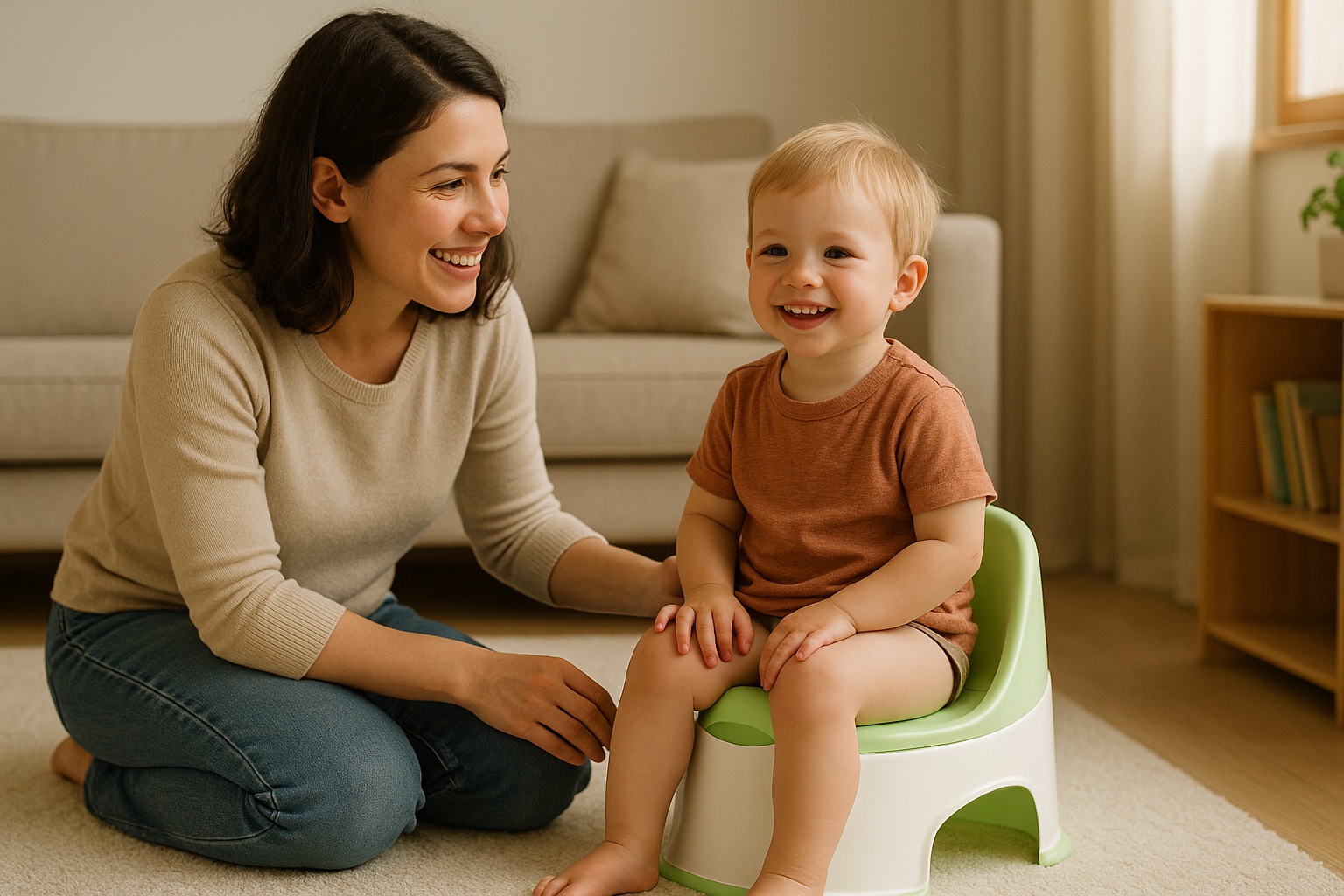
Toilet Training Without Stress – Gentle Readiness Cues and Avoiding Pressure
Toilet training is an important milestone in your child’s development, but it doesn’t have to be stressful. Parents often feel pressure to start early or finish quickly, yet research shows that gentle, child-led approaches are more effective and less frustrating for both children and caregivers. In this article, we’ll explore evidence-based readiness cues, strategies to avoid pressure, and how to create a positive toilet training experience.
When Is the Right Time to Start?
According to the American Academy of Pediatrics (AAP), most children are ready for toilet training between 18 and 30 months, though some may not be fully trained until closer to age 3 or 4. Starting too early, before a child shows readiness, often leads to resistance and setbacks.
Readiness is more important than age. Each child develops at their own pace, and pressuring them can cause stress, power struggles, or even constipation due to withholding stool.
Readiness Cues to Watch For
- Staying dry for at least 2 hours at a time.
- Showing awareness of a wet or dirty diaper (pulling at it, verbalizing discomfort).
- Interest in using the potty or imitating adults and older siblings.
- Ability to follow simple instructions and communicate needs.
- Coordinated motor skills to walk to the potty, sit, and pull pants up/down.
- Regular, predictable bowel movements.
These cues signal that your child’s bladder and bowel control, as well as cognitive and emotional readiness, are aligning.
Gentle Strategies to Support Toilet Training
Toilet training should be a partnership, not a battle. Here are evidence-based strategies to make the process smoother:
- Introduce the potty early – Let your child sit on the potty clothed first to get comfortable.
- Use positive reinforcement – Praise effort, not just success. Stickers, songs, or high-fives can motivate.
- Encourage, don’t pressure – Offer regular potty breaks but never force your child to sit.
- Model and normalize – Children learn by imitation; let them see family members use the toilet.
- Dress for success – Use easy-to-remove clothing like elastic waistbands.
- Stay calm about accidents – They are part of learning. Avoid punishment or shaming.
Common Mistakes to Avoid
- Starting too early – Can lead to resistance and longer training times.
- Using punishment – Negative reinforcement delays progress and affects confidence.
- Rushing the process – Some children take weeks, others months, to train fully.
- Ignoring medical issues – Chronic constipation, UTIs, or developmental delays may require professional advice.
When to Seek Professional Help
If your child is over 4 years old and still not showing progress, or if toilet training is associated with severe anxiety, pain, or stool withholding, consult your pediatrician. Medical conditions such as urinary tract infections or constipation should be addressed before continuing training.
Final Thoughts
Toilet training is not a race—it’s a developmental journey. By following your child’s cues and avoiding pressure, you can create a positive experience that builds independence and confidence. Remember: success is not just about using the potty, but also about developing trust and resilience along the way.
FAQ: Toilet Training Without Stress
1. What if my child refuses to use the potty?
Take a break for a few weeks and try again. Forcing the issue usually backfires. Keep the potty available, and encourage gently.
2. How long does toilet training usually take?
On average, toilet training can take anywhere from a few weeks to several months. Nighttime dryness often comes later than daytime control.
3. Should I use rewards?
Small, non-food rewards (stickers, praise, extra story time) can help motivate children, but the goal should be intrinsic pride rather than dependence on external rewards.
4. Are pull-ups useful?
Pull-ups can be a helpful transition tool but may prolong training if used constantly. Some parents prefer to go straight to underwear once daytime training starts.
5. Is it normal for toilet-trained children to regress?
Yes. Life changes like a new sibling, starting preschool, or moving house can trigger setbacks. Reassurance and consistency help children get back on track.
Scientific & Professional Sources
- American Academy of Pediatrics (AAP) – Toilet Training Guidelines
- Mayo Clinic – Toilet training: How to get the job done
- HealthyChildren.org – Signs of Toilet Training Readiness
- Canadian Paediatric Society – Toilet Learning and Readiness
It takes a village to raise a child !
Join our Facebook group Preschools & Kindergartens in Hong Kong to interact with other parents.