Difference Between Montessori, Play Based, and Reggio Emilia Approaches
1. Montessori Approach
Philosophy: Developed by Dr. Maria Montessori, this approach is based on the belief that children are naturally curious and capable of self-directed learning. The environment is prepared to support independent exploration and learning.
Methodology:
- Individualized Learning: Children work at their own pace, choosing activities from a prepared environment.
- Structured Environment: The classroom is carefully organized with specific learning materials that promote hands-on learning.
- Teacher's Role: The teacher acts as a guide, observing and supporting the child's learning without direct interference.
- Mixed-Age Groups: Children of different ages learn together, fostering peer learning and mentoring.
Focus: Emphasis on independence, self-discipline, and intrinsic motivation. The curriculum often includes practical life skills, sensory experiences, and abstract concepts introduced through concrete materials.
2. Play-Based Approach
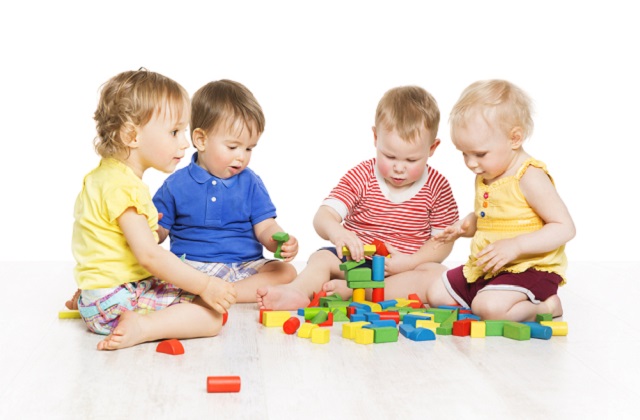
Philosophy: This approach is rooted in the belief that play is the primary way children learn. Through play, children develop cognitive, social, emotional, and physical skills.
Methodology:
- Child-Led Play: Children are encouraged to explore, experiment, and engage in activities of their own choosing.
- Flexible Environment: The classroom is designed to be adaptable, with various materials and spaces for different types of play (e.g., pretend play, physical play, creative play).
- Teacher's Role: Teachers facilitate play by providing materials, setting up scenarios, and guiding children’s social interactions, but the children largely direct their own learning.
Focus: Emphasis on social development, creativity, and problem-solving. Learning is seen as a holistic process that integrates different areas of development through play.
3. Reggio Emilia Approach
Philosophy: Originating in Reggio Emilia, Italy, this approach is based on the belief that children are strong, capable, and resilient, with a natural curiosity and desire to understand the world around them. Learning is viewed as a process of collaboration and exploration.
Methodology:
- Project-Based Learning: Children engage in long-term projects that are often inspired by their interests and involve exploration, research, and documentation.
- Environment as the "Third Teacher": The classroom is a dynamic, aesthetically pleasing space designed to inspire curiosity and exploration.
- Teacher's Role: Teachers are co-learners and researchers, working alongside children to explore ideas and topics. Documentation of children's work and thinking processes is a key component.
- Parental Involvement: Parents are viewed as essential partners in the learning process, contributing to and participating in projects.
Focus: Emphasis on creativity, collaboration, and critical thinking. The approach values the child’s perspective and emphasizes the importance of community and communication in learning.
Summary of Key Differences
- Montessori: Structured, individualized learning with a focus on independence.
- Play-Based: Child-led, flexible play with a focus on holistic development through play.
- Reggio Emilia: Collaborative, project-based learning with a focus on creativity, exploration, and community involvement.
It takes a village to raise a child !
Join our Facebook group Preschools & Kindergartens in Hong Kong to interact with other parents.